What We Know About the U.S. Operation in Venezuela and Maduro’s Capture
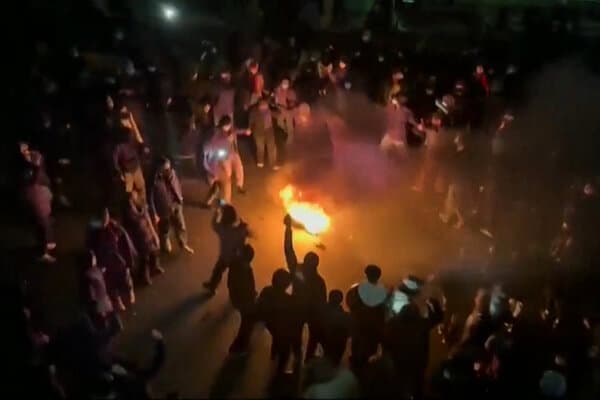
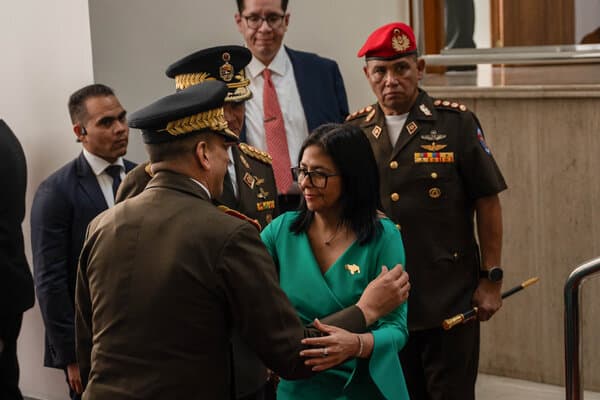
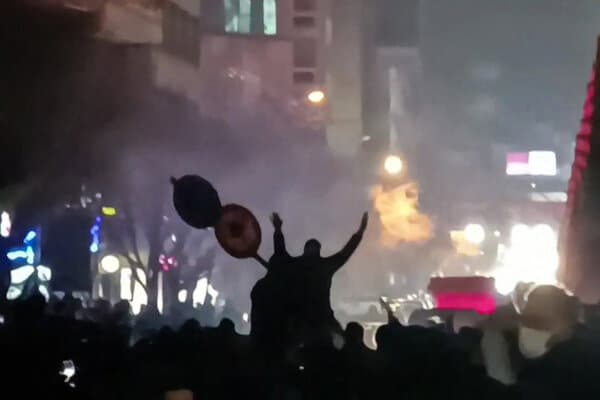
The recent U.S. military operation in Venezuela has sent shockwaves through the international community, marking a significant escalation in the long-standing conflict between Washington and the regime of Nicolás Maduro. According to senior defense officials, the covert mission, authorized by the Trump administration, resulted in the capture of the Venezuelan president, who has been a focal point of political instability in South America for over a decade. The operation, executed by elite Special Operations forces, targeted a compound in the outskirts of Caracas where Maduro was reportedly meeting with key military allies. Intelligence leading to the raid was gathered over several months, involving satellite surveillance and human intelligence assets embedded within the Venezuelan military hierarchy. The operation unfolded with surgical precision. Under the cover of darkness, U.S. forces descended on the location, overwhelming Maduro's personal guard detail in a brief but intense firefight. Casualties were minimal, and the Venezuelan leader was taken into custody without significant resistance. He was immediately transported to a secure location outside the country, likely a U.S. military facility in the Caribbean, where he is currently being held. This dramatic development comes amidst a backdrop of severe economic sanctions imposed by the U.S. and its allies, aimed at pressuring Maduro to step down following disputed elections in 2018. The U.S. has long recognized opposition leader Juan Guaidó as the legitimate interim president. The capture of Maduro fundamentally alters the geopolitical landscape of Latin America. It presents an immediate challenge to the Venezuelan military command, which has remained the bedrock of Maduro's power despite widespread internal dissent. The question now remains whether the military will fracture, leading to a potential civil war, or if they will pivot to support a transitional government backed by the United States. International reaction has been mixed. Regional allies like Colombia and Brazil have expressed cautious support for the U.S. action, viewing it as a necessary step to restore democracy. However, nations such as Russia, China, and Iran, who have provided significant economic and military support to Maduro, have vehemently condemned the operation, labeling it an act of illegal aggression and a violation of Venezuelan sovereignty. Russia has called for an emergency session of the UN Security Council, warning of severe consequences. Domestically, the Trump administration is framing the operation as a major victory in its "Maximum Pressure" campaign. However, critics argue that the decision to apprehend a foreign leader by force sets a dangerous precedent and could destabilize the entire region. The legal justification for the operation rests on executive orders targeting narcotics trafficking and terrorism, which the administration claims Maduro has been deeply involved in. As the dust settles, the world watches closely. The immediate priority for the U.S. is to ensure Maduro's safe custody while navigating the complex diplomatic fallout. Meanwhile, in Venezuela, the absence of its long-time leader creates a power vacuum that opposition forces are scrambling to fill. The coming days will be critical in determining whether this operation leads to the long-sought regime change or plunges the country into deeper chaos.