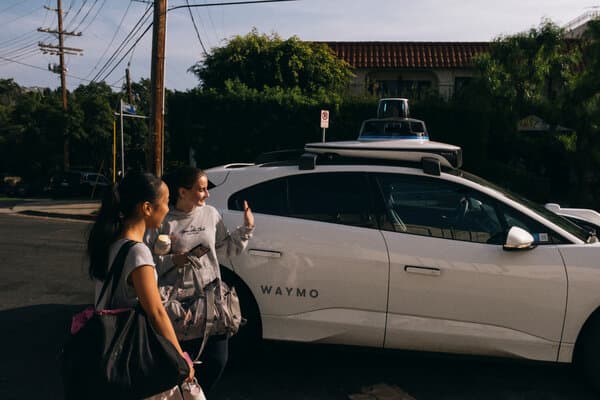
Waymo Targets Los Angeles Children with Autonomous Ride Services
Waymo has officially expanded its autonomous vehicle services in Los Angeles to include children, marking a significant shift in family transportation. The company announced that its robotaxi fleet can now transport minors when accompanied by an adult guardian, opening new possibilities for families across the city. The decision comes after extensive testing and safety assessments in the Los Angeles area. Waymo representatives emphasized that the service follows strict safety protocols, including verified adult supervision requirements and enhanced vehicle monitoring systems designed specifically for younger passengers. Parents in LA have shown mixed reactions to the news. While some express excitement about the convenience of driverless transportation for their families, others remain cautious about putting their children in vehicles without human drivers. The company has addressed these concerns by highlighting their track record of safety and the multiple redundancy systems built into their vehicles. The expansion represents a major milestone for autonomous vehicle adoption in the US. Los Angeles, being one of the most car-dependent cities in the country, serves as a crucial testing ground for widespread AV acceptance. Waymo's move to explicitly include children in their service offerings suggests growing confidence in the technology's reliability. Local transportation officials are monitoring the situation closely. They note that while autonomous vehicles could potentially reduce traffic accidents caused by human error, the presence of children adds another layer of responsibility that must be carefully managed. Waymo's service in LA currently covers large portions of the city, including downtown, the Westside, and parts of the San Fernando Valley. The company plans to continue expanding coverage based on demand and safety data collected from these initial family-focused operations. The broader implications for the ride-hailing industry are significant. As Waymo establishes itself as a family-friendly transportation option, competitors like Uber and Lyft may need to accelerate their own autonomous vehicle programs or risk losing market share in the family transportation segment. For Los Angeles families, this development offers a glimpse into a future where getting kids to school, activities, and appointments might involve pressing a button on an app rather than driving themselves. The success of Waymo's family-oriented approach could determine how quickly similar services roll out across other major US cities.