Violence Erupts Again Between Syrian Regime and Kurdish Forces in Aleppo
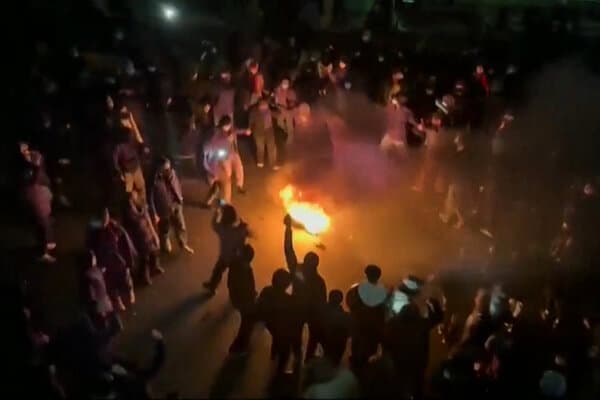
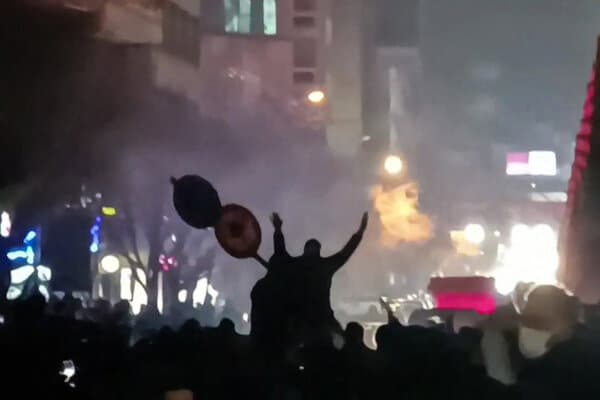
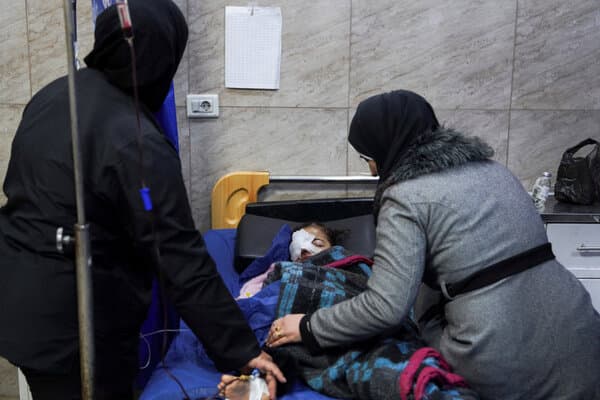
Renewed hostilities have broken out in northern Syria between forces loyal to the Syrian government and the Kurdish-led Syrian Democratic Forces (SDF), shattering a fragile period of calm. The escalation was triggered by the recent deaths of several individuals in disputed circumstances, which have sparked retaliatory attacks and heightened tensions across strategic regions of Aleppo province. According to local reports, the conflict has re-emerged in key areas where both sides maintain a heavy military presence, leading to an uncertain outlook for regional stability. The clashes reportedly began following the killing of a prominent local figure, whose death was attributed by Kurdish officials to pro-government militias. In response, the SDF, which controls large swathes of northeastern Syria and maintains a foothold in parts of Aleppo, launched countermeasures against Syrian army positions. Observers on the ground describe the situation as rapidly deteriorating, with exchanges of artillery fire and small arms reported in several villages. This resurgence of violence highlights the persistent fragility of the alliance of convenience that had previously kept major conflict at bay in the region. For years, the Syrian Democratic Forces, spearheaded by the People's Protection Units (YPG), have been the primary partner for the United States in the fight against ISIS. However, their presence in areas claimed by the Syrian government has long been a source of friction. The Syrian regime, backed by Russia and Iran, views the Kurdish autonomous administration as a threat to the country's territorial integrity. Conversely, the SDF views the central government as an oppressive force that has historically neglected the Kurdish minority. The recent fatalities appear to have served as a catalyst for long-simmering grievances to boil over into open combat. Analysts suggest that the economic downturn and the crumbling infrastructure in Syrian-held territories have exacerbated these tensions. The Syrian currency has plummeted, and fuel shortages have crippled daily life, creating a volatile environment where armed groups compete for scarce resources and influence. The government in Damascus is under immense pressure from its populace to show strength and regain control over all Syrian territory, making concessions to the Kurds politically difficult. Russia, a key power broker in the Syrian conflict, has attempted to mediate between the two sides to prevent a full-scale war that could destabilize the north. Moscow has historically maintained a working relationship with both the SDF and the Syrian regime, utilizing its military police to patrol buffer zones. However, the recent spike in violence suggests that Russian influence may be waning or that local commanders are acting without central approval. Diplomatic sources indicate that Russian envoys have been scrambling to broker a ceasefire, fearing that unchecked fighting could allow ISIS remnants to exploit the chaos. The humanitarian impact of the renewed clashes is already being felt by civilians caught in the crossfire. Reports from the region indicate that families are fleeing their homes in anticipation of further escalation. The region has already endured over a decade of war, leaving infrastructure in ruins and millions displaced. Aid agencies warn that if the fighting intensifies, it could cut off vital supply lines for food and medical assistance. The Alouk water station, a critical facility controlled by Turkish-backed forces but servicing millions, remains a flashpoint; any damage to such infrastructure would have catastrophic consequences for the civilian population. Turkey, another major player in the Syrian theater, views the SDF as an extension of the Kurdistan Workers' Party (PKK), which is designated as a terrorist organization by Turkey, the US, and the EU. Ankara has conducted multiple military incursions into Syria to push back Kurdish forces from its southern border. The current fighting between the Syrian regime and the SDF could provide Turkey with an opportunity to further its strategic goals, either by striking weakened Kurdish positions or by positioning itself as a necessary stabilizer in the region. Military analysts are closely watching whether these clashes will remain localized or spread to other areas of Kurdish control, such as the strategic city of Manbij or the province of Hasakah. The Syrian government has issued stern warnings, demanding the SDF withdraw from Aleppo entirely and integrate into the Syrian Arab Army. The SDF, for its part, has shown little willingness to disarm, viewing their autonomy as the only guarantee of survival against a regime they do not trust. As the dust settles on the initial skirmishes, the atmosphere remains tense. Local elders and tribal leaders are attempting to negotiate a localized truce, but trust between the communities has been severely eroded by the recent bloodshed. The international community, largely distracted by conflicts elsewhere, has issued muted calls for restraint. Without sustained diplomatic pressure and a roadmap for resolving the underlying political grievances—specifically the status of Kurdish autonomy and the future of US military presence—this flare-up could easily evolve into the next chapter of Syria’s devastating civil war.