U.S. Authorities Seize Russian Oil Tanker Amid Rising Diplomatic Strains
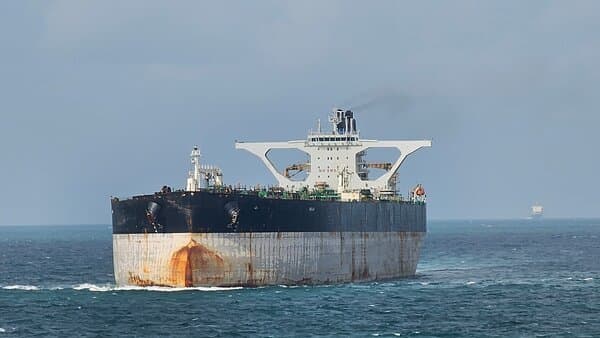
In a significant escalation of geopolitical tensions, the United States government has officially seized a Russian-flagged oil tanker operating in international waters. The vessel, identified by maritime tracking systems as the 'Nordic Voyager,' was intercepted by the U.S. Coast Guard near the coast of Florida. The operation was conducted in coordination with the Department of Justice and intelligence agencies, marking one of the most direct confrontations between Washington and Moscow in recent months regarding energy shipping. According to official statements released by the U.S. Department of State, the seizure was executed based on evidence suggesting the vessel was transporting crude oil originating from a sanctioned Russian energy conglomerate. The administration cited violations of the Countering America's Adversaries Through Sanctions Act (CAATSA), which imposes strict restrictions on the export of Russian energy products. Officials emphasized that the action was taken to enforce international law and deter Russia's ability to fund its military operations through illicit oil revenues. Russian officials have vehemently condemned the seizure, labeling it an act of piracy and a flagrant violation of maritime freedom. The Russian Foreign Ministry issued a statement demanding the immediate release of the vessel and its crew, warning of severe consequences should the U.S. proceed with the confiscation of the cargo. Kremlin spokespersons suggested that the move is politically motivated and designed to destabilize global energy markets, which are already fragile due to ongoing conflicts in the Middle East and Eastern Europe. Maritime experts note that this incident represents a shift in the U.S. strategy regarding sanctions enforcement. Previously, the focus was largely on financial institutions and port bans. However, actively seizing vessels on the high seas introduces a new layer of risk for global shipping insurers and freight forwarders. The 'Nordic Voyager' is currently being towed to a secure U.S. port where the cargo will be offloaded and held under federal custody pending a legal ruling on forfeiture. The timing of the seizure is critical, coinciding with high-level diplomatic talks in Geneva regarding the future of the START treaty and ongoing support for Ukraine. Analysts suggest that Washington is signaling its resolve to maintain economic pressure on Russia despite the approaching winter energy season. The global oil market reacted immediately to the news, with Brent crude prices spiking by nearly 3% as traders assessed the potential for retaliatory disruptions to shipping lanes in the Black Sea or the Strait of Hormuz. Local fishermen and coastal residents in the Florida Keys reported hearing loud engines and seeing unusual naval activity hours before the official announcement. The Coast Guard has established a temporary exclusion zone around the area where the vessel is being held to prevent unauthorized access. Environmental groups have also expressed concern regarding the safety of the tanker's cargo and have urged the government to conduct a thorough risk assessment to prevent any potential oil spills in sensitive marine ecosystems. Legal scholars are currently debating the jurisdictional complexities of the case. While the U.S. has the right to enforce its sanctions laws, the seizure of property on international waters often falls into a gray area of international law, particularly when it involves state assets. The Russian government has threatened to take the matter to the International Court of Justice, though the U.S. does not recognize the court's jurisdiction over this matter. The incident serves as a stark reminder of the volatility inherent in the global energy trade and the increasing willingness of superpowers to use economic assets as leverage in geopolitical standoffs. As the situation develops, allies of the United States in NATO and the European Union are monitoring the fallout closely. While many European nations have agreed to reduce their dependency on Russian energy, they remain wary of any actions that could provoke a direct military response from the Kremlin. The U.S. Department of Defense has stated that it is prepared to defend its assets and personnel in the region should Russia attempt a kinetic response to the seizure. The coming days will be crucial in determining whether this event remains a singular law enforcement action or spirals into a broader international crisis.