Five States Sue Trump Administration Over $10 Billion Health Funding Freeze
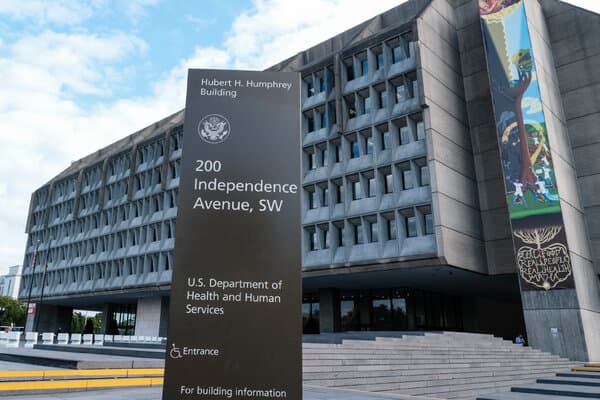
A coalition of five Democratic-led states has initiated a federal lawsuit against the Trump administration, challenging the sudden freeze of approximately $10 billion in funding designated for public health initiatives. The lawsuit, filed in a California federal court, names the Department of Health and Human Services (HHS) and specific officials as defendants. The states involved include California, New York, Illinois, Minnesota, and Washington. They argue that the administration illegally withheld funds that had been previously appropriated by Congress, bypassing necessary legal procedures and jeopardizing essential health services across the nation. The funding freeze affects numerous critical programs. Among the most impacted are those related to mental health services, substance abuse treatment, and disease prevention. The cuts also threaten programs designed to support healthcare infrastructure in underserved communities and initiatives aimed at combating the opioid epidemic. State officials contend that the sudden loss of these federal dollars will force them to scale back or eliminate services that millions of residents rely on, potentially leading to a public health crisis. According to the complaint, the administration failed to follow the Administrative Procedure Act, which governs how federal agencies can implement regulations and policy changes. The states assert that the freeze was implemented without the required notice or opportunity for public comment. Furthermore, they argue that the President and HHS officials lack the constitutional authority to impound funds Congress has explicitly appropriated for specific uses. The lawsuit seeks a preliminary injunction to immediately restore the funding while the legal challenge proceeds. The legal action highlights the ongoing tension between state governments and the federal executive branch regarding fiscal policy and healthcare access. This specific funding dispute stems from the administration's broader efforts to reallocate federal spending priorities, often involving cuts to domestic programs to increase defense spending or fund other initiatives. However, the states argue that the impoundment of these specific HHS funds violates the Separation of Powers doctrine. In response to the lawsuit, HHS officials issued a statement defending the freeze. They argued that the funds were being reviewed to ensure they aligned with the administration's policy objectives and did not support programs deemed controversial or unnecessary. They also suggested that some of the funding allocations were inefficient or mismanaged by state governments. Despite these arguments, the states maintain that the administration is overstepping its authority and ignoring the will of Congress. Legal experts suggest this case could have significant implications for the balance of power between the legislative and executive branches. If the court sides with the states, it could limit the President's ability to withhold congressionally approved funds in the future. Conversely, a win for the administration could embolden further unilateral actions regarding federal spending. The lawsuit is one of several legal challenges the administration has faced concerning its handling of federal funds and healthcare policy. The plaintiffs are seeking a swift ruling to prevent what they describe as irreparable harm to their public health systems. They argue that without the immediate restoration of funds, vulnerable populations will lose access to life-saving treatments and preventative care. The case is currently before the U.S. District Court for the Northern District of California, where a judge will soon consider the request for a temporary restraining order.