Deadly Minneapolis Encounter Is the 9th ICE Shooting Since September
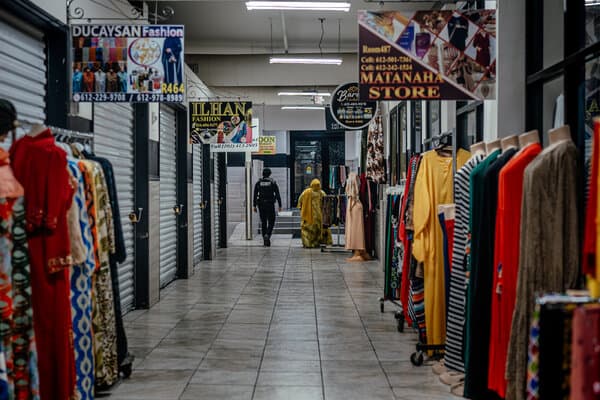
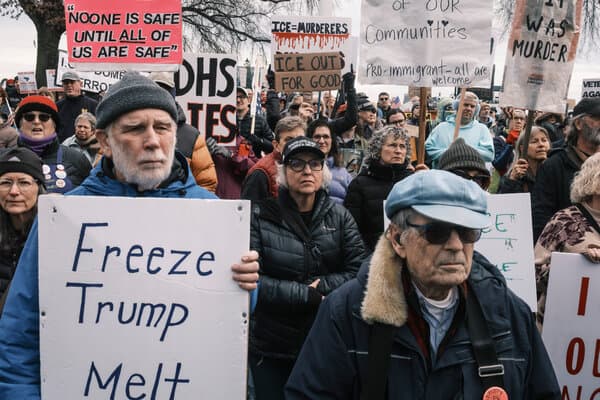
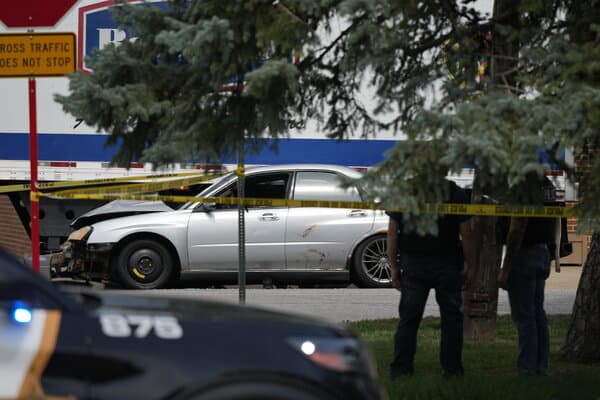
A recent fatal shooting involving Immigration and Customs Enforcement (ICE) agents in Minneapolis marks the ninth such incident since September of last year. This latest event has reignited intense scrutiny regarding the tactics and use of force by federal immigration authorities across the United States. According to officials, the confrontation occurred when agents attempted to carry out an arrest warrant. Details remain conflicting as preliminary reports from law enforcement and witness accounts offer different perspectives on the immediate threat level posed by the individual involved. The Department of Homeland Security released a statement claiming the individual opened fire on officers, necessitating a lethal response in self-defense. However, local community leaders and activists have quickly challenged this narrative. They argue that the escalation was avoidable and point to a pattern of aggressive enforcement that disproportionately affects minority communities. The specific details leading to the discharge of weapons are currently under review by internal affairs, but the incident has triggered immediate protests in the Minneapolis neighborhood where it took place. Since September, the tally of officer-involved shootings connected to ICE operations has risen steadily, creating a volatile atmosphere around immigration enforcement. Advocacy groups tracking these statistics suggest that this spike represents a significant deviation from historical averages. They posit that changes in enforcement priorities or operational directives may be contributing to the increased frequency of violent encounters. While federal officials maintain that their agents only resort to deadly force when absolutely necessary, the mounting number of cases has prompted calls from congressional leaders for a comprehensive investigation into ICE's use-of-force policies. The location of this shooting, a residential area in Minneapolis, underscores the complexities of conducting federal arrests within densely populated urban centers. Unlike operations in border regions, these arrests often take place in the midst of daily civilian life, raising the stakes for both officers and bystanders. Following the incident, the local police department was quick to clarify that their officers were not involved in the shooting, distancing the municipal force from the federal action. This distinction is critical in a city that has seen significant civil unrest and debates over policing in recent years. Local elected officials, including members of the city council, have issued statements condemning the use of lethal force and demanding transparency from the federal government. They have requested the immediate release of body camera footage and any other video evidence that could shed light on the sequence of events. Community organizations have mobilized to provide support to the family of the deceased and have planned further demonstrations to demand accountability. The incident serves as a flashpoint in the broader national debate over immigration policy, border security, and the role of federal enforcement agencies in local communities. As the investigation unfolds, attention is turning toward the broader implications of this trend. Legal experts are analyzing whether the recent string of shootings indicates a systemic issue within the agency or if it is a statistical anomaly driven by specific operational environments. The Ninth Circuit and other federal courts have previously weighed in on the scope of authority for immigration officers, and this event may prompt new legal challenges regarding the Fourth Amendment protections against unreasonable searches and seizures. The outcome of the current investigation will likely influence future policy decisions and potentially lead to revised training protocols for agents operating in urban settings. The involvement of ICE in local communities remains a polarized issue. Proponents of strict enforcement argue that these actions are necessary to uphold the law and remove individuals who pose a threat to public safety. Critics, however, view these operations as inherently dangerous and racially motivated, contributing to a climate of fear that erodes trust between immigrant populations and law enforcement. The Minneapolis shooting adds significant weight to the arguments of those who advocate for a reevaluation of how and when federal immigration authorities engage with communities. Witnesses at the scene described a chaotic situation that unfolded rapidly. One resident reported hearing shouts followed by multiple gunshots, describing the scene as terrifying and sudden. The lack of immediate, clear information from officials in the hours following the shooting only fueled speculation and anxiety within the community. In the days that follow, forensic analysis of the scene and ballistics evidence will be crucial in reconstructing the event. This incident also highlights the increasing frequency of armed confrontations involving federal agents. While data on officer-involved shootings is notoriously difficult to aggregate due to varying reporting standards across agencies, the specific designation of these incidents involving ICE suggests a targeted pattern. Comparisons are being drawn to other federal law enforcement agencies, such as the FBI or ATF, to see if similar spikes in use-of-force incidents are occurring elsewhere. So far, the focus remains on the specific protocols used by ICE agents during arrest operations in interior cities. The political fallout is expected to be significant. Immigration remains a top issue for voters, and high-profile shootings can sway public opinion and influence legislative priorities. Advocacy groups are already using this incident to bolster their campaigns for defunding or restructuring federal immigration agencies. Conversely, supporters of the agency are highlighting the dangers agents face daily, using the narrative of an armed suspect to justify the use of firearms. The body camera footage, once released, will play a pivotal role in shaping the public narrative. In conclusion, the ninth shooting since September represents a critical juncture for ICE and its relationship with the communities it polices. The loss of life is a tragedy, and the frequency of these events suggests that something within the operational framework may be shifting. Whether that shift is a change in policy, a change in the environment in which agents operate, or a statistical blip is the question that investigators are racing to answer. For the residents of Minneapolis and the family of the deceased, the search for answers and accountability is just beginning. The coming weeks will likely see increased pressure on the Department of Homeland Security to provide a full accounting of the events and to outline measures to prevent future tragedies.