Colombian President's Fears of U.S. Invasion Subside After Unexpected Trump Call
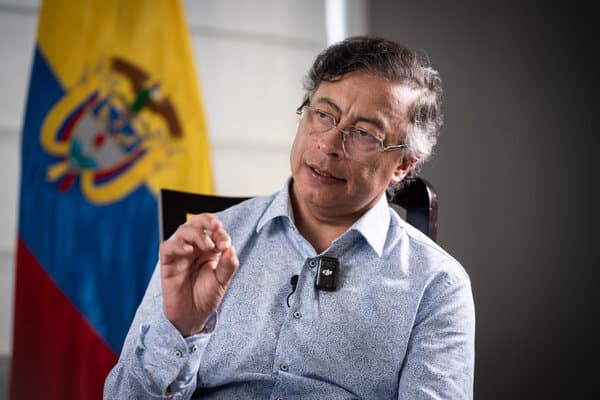
In early January 2026, diplomatic tensions between Colombia and the United States reached a fever pitch, fueled by deep-seated anxieties in Bogotá regarding potential military intervention by Washington. Colombian President Gustavo Petro, a leftist leader known for his vocal criticism of U.S. foreign policy in Latin America, had reportedly spent weeks agonizing over the possibility of a targeted strike or invasion orchestrated by the Trump administration. These fears were not born in a vacuum; they stemmed from escalating rhetoric, shifting geopolitical alliances involving neighboring Venezuela, and a long history of American interventionism in the region. For months, the relationship between the two countries had been deteriorating. The Trump administration, while historically transactional, had grown increasingly frustrated with Petro’s stance on drug policy, his engagement with Venezuelan President Nicolás Maduro, and his critiques of American influence. Analysts in Bogotá and Washington speculated that the administration was weighing options ranging from crippling economic sanctions to more extreme measures, including the possibility of 'surgical strikes' against alleged drug trafficking operations that the Colombian government was perceived as failing to contain. The atmosphere in the presidential palace was described by insiders as tense. Intelligence reports, both verified and speculative, circulated among senior Colombian officials, painting a grim picture of a superpower flexing its muscles. The shadow of history loomed large—the memories of the 1989 invasion of Panama to oust Manuel Noriega, and the long-running U.S. support for right-wing paramilitaries during Colombia's internal conflict, served as constant reminders of Washington's capacity to act unilaterally. President Petro, despite his fiery public rhetoric, reportedly sought backchannels to de-escalate the situation, fearing that a miscalculation could lead to a catastrophic loss of sovereignty. However, the situation took a dramatic and unexpected turn on a Friday afternoon in early January. A secure line rang in the office of the Colombian presidency. On the other end was Donald Trump. The call, which caught many in the Colombian government by surprise, served as the pivot point for the crisis. While the exact details of the conversation remain closely guarded by both sides, subsequent statements suggested a shift from confrontation to negotiation. Trump, known for his unpredictable style, reportedly moved past threats and engaged Petro in a discussion centered on mutual interests—specifically, the flow of narcotics and the stability of the region. The phone call effectively punctured the balloon of fear that had inflated in Bogotá. In the days following the call, the rhetoric from the White House softened noticeably. References to 'all options being on the table' vanished from press briefings. Instead, officials spoke of cooperation and the need for Colombia to step up its efforts in the war on drugs—a standard refrain, but one delivered without the menacing undertone that had characterized the previous months. For President Petro, the call offered a reprieve. It allowed him to pivot back to his domestic agenda without the looming threat of U.S. military action overshadowing his every move. Yet, it also highlighted the precarious nature of Colombia’s position. The nation remains heavily dependent on U.S. aid, particularly military assistance through the controversial 'Plan Colombia' framework and its subsequent iterations. Even if an invasion was never truly imminent, the threat of cutting off this support is a potent tool of leverage that Washington holds over Bogotá. The incident sheds light on the complex and often volatile relationship between the United States and its Latin American neighbors. It underscores how personal diplomacy—or the lack thereof—can drive international relations. The mere suggestion of military action, whether bluster or genuine intent, was enough to send shockwaves through the region. As the dust settles, observers are left to wonder whether this is a genuine thawing of relations or simply a temporary pause in the broader struggle for influence in the Andes. For now, the Colombian military stands down, and the President in Bogotá can sleep a little easier, knowing that for the moment, the phone lines are open and the bombs are silent. The relief in the capital is palpable, but the underlying structural tensions remain, waiting for the next spark to reignite the old fears of American intervention.