California Tech Executives Conspire Against Rep. Ro Khanna Over Wealth Tax Proposal
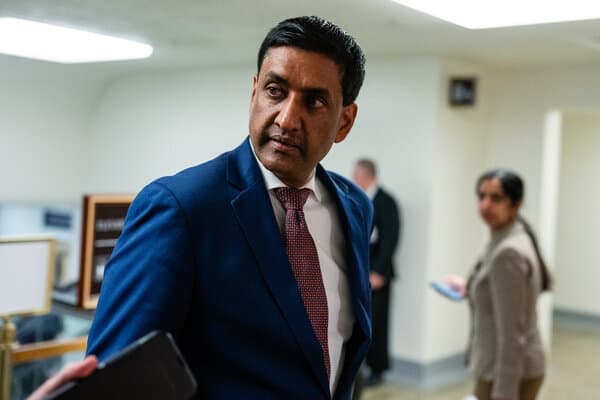
A growing political conflict has emerged in Silicon Valley, pitting prominent technology executives against Representative Ro Khanna, a California Democrat who has voiced strong support for a wealth tax. The dispute centers on Khanna’s backing of legislative proposals aimed at taxing the net worth of the ultra-rich, a move that has alarmed high-profile figures in the tech industry who view such measures as a direct attack on their financial interests and the innovative ecosystem they claim to protect. Sources close to the matter report that a discreet coalition of venture capitalists, startup founders, and tech CEOs has begun coordinating efforts to challenge Khanna’s political standing. This group is allegedly organizing strategic donations to his electoral opponents, launching public relations campaigns to undermine his policy positions, and leveraging their networks to fund grassroots movements opposing his agenda. The motivation stems largely from fears that a wealth tax could trigger significant capital flight, reduce investment in emerging technologies, and ultimately stifle the economic engine that has made the region a global powerhouse. Khanna, representing California’s 17th congressional district which includes parts of Santa Clara County—home to Apple, Google, and countless other tech giants—has been a vocal advocate for economic equity. He argues that the concentration of wealth among a tiny fraction of the population is unsustainable and that a targeted tax on extreme fortunes could fund critical public services like education, healthcare, and infrastructure without harming the broader economy. His stance is rooted in progressive economic theory which posits that the current tax system disproportionately favors capital gains and inherited wealth over labor income, exacerbating inequality. In response, the tech executives argue that Khanna is misrepresenting the contributions of the wealthy to the economy. They contend that their investments drive job creation, philanthropy, and technological breakthroughs that benefit society as a whole. Several executives have privately expressed outrage, labeling the wealth tax as a form of punitive confiscation that violates principles of property rights and free enterprise. Some have reportedly hired political consultants to conduct opposition research and identify viable primary challengers who align more closely with business-friendly policies. The tension highlights a broader rift between the Democratic Party’s progressive wing and its traditional donor base within the corporate elite. While Khanna maintains strong support among voters concerned with inequality, he faces an undercurrent of resistance from powerful donors who have historically funded party campaigns. This dynamic reflects the complex balancing act many Democrats face: advocating for redistributive policies while managing relationships with wealthy constituents essential for fundraising and electoral success. Beyond immediate political maneuvering, the conflict raises questions about the future of tax policy in the United States. Proposals for a wealth tax, championed by figures like Senator Elizabeth Warren and advocated in various forms by President Biden’s administration, face significant hurdles in Congress, partly due to lobbying from affected industries. The coordinated opposition from Silicon Valley could influence the viability of such legislation, potentially shaping the economic landscape for years to come. Local political observers note that Khanna remains popular in his district due to his focus on constituent services and advocacy for technological innovation alongside social justice. However, the sustained pressure from a well-funded opposition could force him to moderate his rhetoric or compromise on key policy points. The situation also underscores the increasing politicization of Silicon Valley, which has traditionally maintained a somewhat nonpartisan approach to civic engagement, focusing instead on regulatory issues and tax incentives. As the 2026 midterm elections approach, this friction may intensify. The tech coalition’s strategy appears to be a long-term effort to reshape the political representation of the Bay Area, ensuring that the interests of capital remain protected against rising populist sentiments. For Khanna, navigating this challenge will require maintaining a delicate coalition of progressive activists, working-class voters, and moderate donors while resisting pressure from some of the wealthiest individuals in the country. The outcome of this power struggle could serve as a bellwether for similar conflicts in other tech-heavy districts across the nation.